
Child Safeguarding
The Child Protection Program was initiated in 2011 as a response to the increasing reports of child neglect and abuse identified within educational settings and homes. The program was developed to address the distressing incidents reported by children during their regular Saturday activities in ARC, which ranged from physical injuries to emotional abuse and neglect by their caregivers.
Key initiatives include:
In an effort to mitigate these challenges, the program has implemented various strategies aimed at engaging local communities for capacity building. Our main goal is to prevent and respond to child abuse through community engagement, capacity building, and direct interventions.
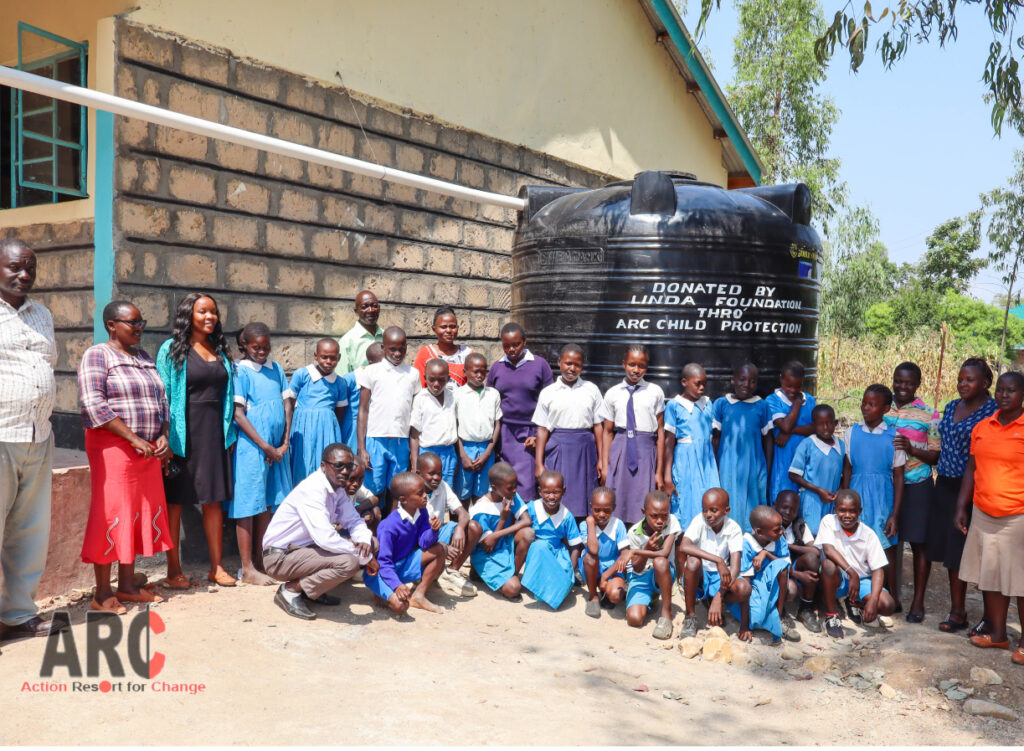
Water Tanks for Schools
As part of its child protection efforts, the program has donated twelve 10,000-liter capacity water tanks for rainwater harvesting to twelve schools over the last year. This initiative has not only improved the health of 4,535 young learners but also increased teacher-learner contact time. By reducing the need for children to leave school premises to fetch water, the program has effectively decreased the risk of child abuse.
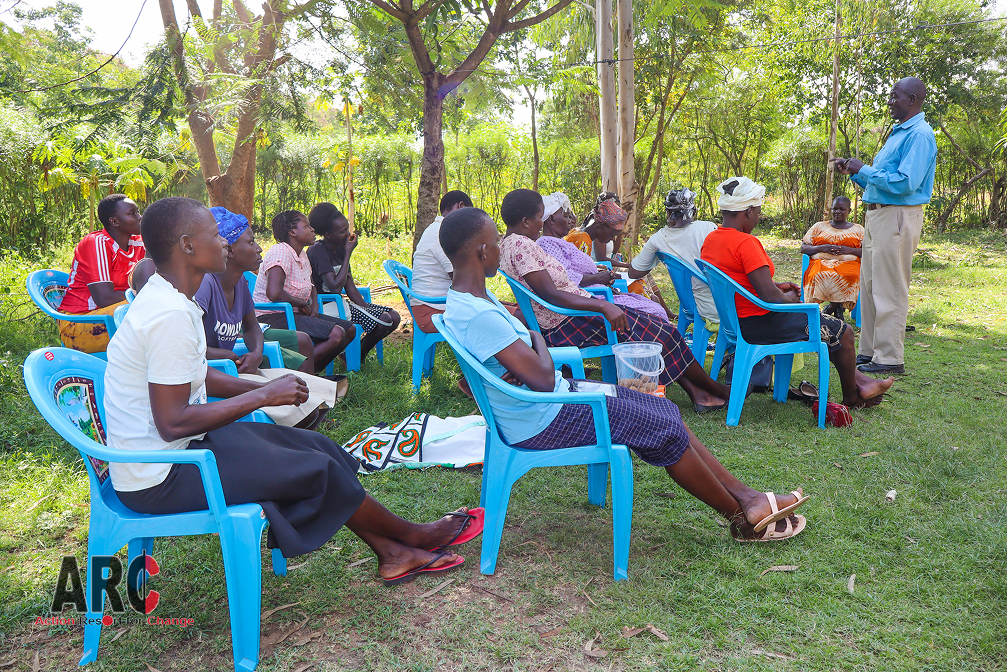
Awareness and Training
A significant focus of the program has been on raising awareness through comprehensive training sessions. Over the past year, this initiative has benefited 140 teachers, enhancing their ability to identify and respond to signs of abuse and neglect. Additionally, 434 children received training during school sessions, and 2,478 during holiday periods, equipping them with knowledge on their rights and how to seek help. The program also engaged 225 community members, fostering a broader understanding of child protection within the community.
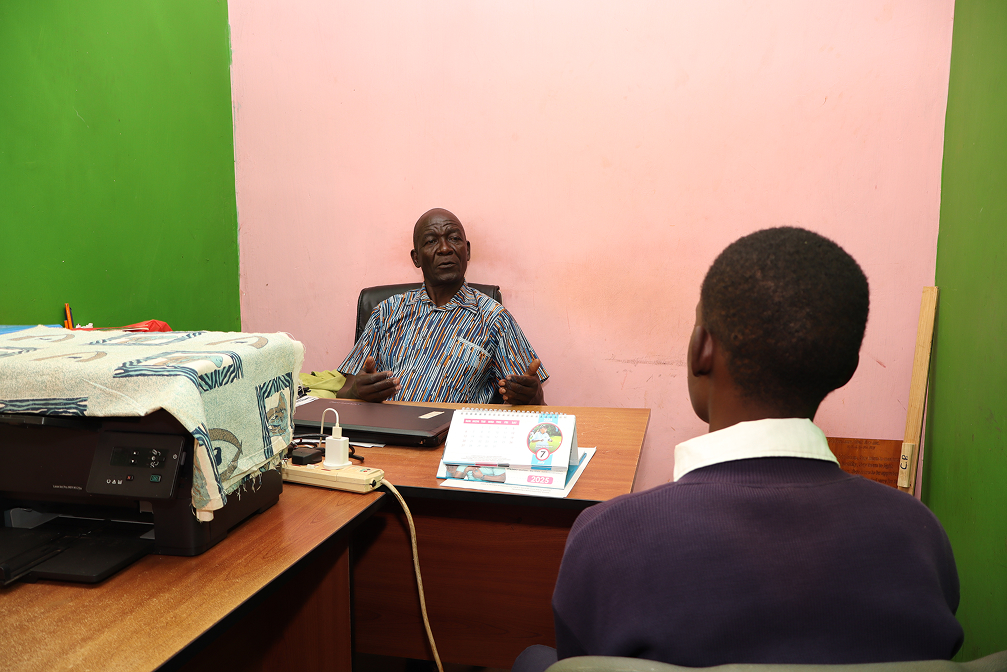
Guidance and Counseling
Both parents/guardians and children have access to guidance and counseling services, designed to support their emotional well-being and address any issues related to abuse or neglect.
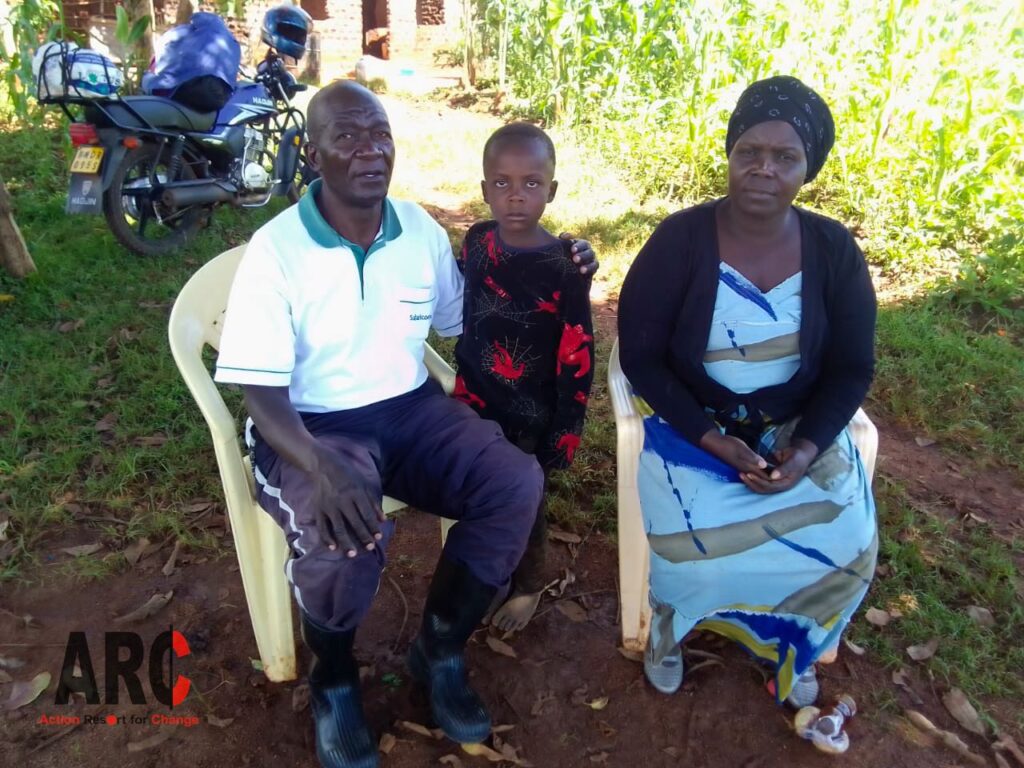
Home Visits
The program conducts home visits to directly address reported cases of child abuse, provide caregivers with parenting skills training, and conduct follow-ups on previously managed cases. These visits play a crucial role in ensuring the safety and well-being of children in their home environments.
Rescue and Safe Placement
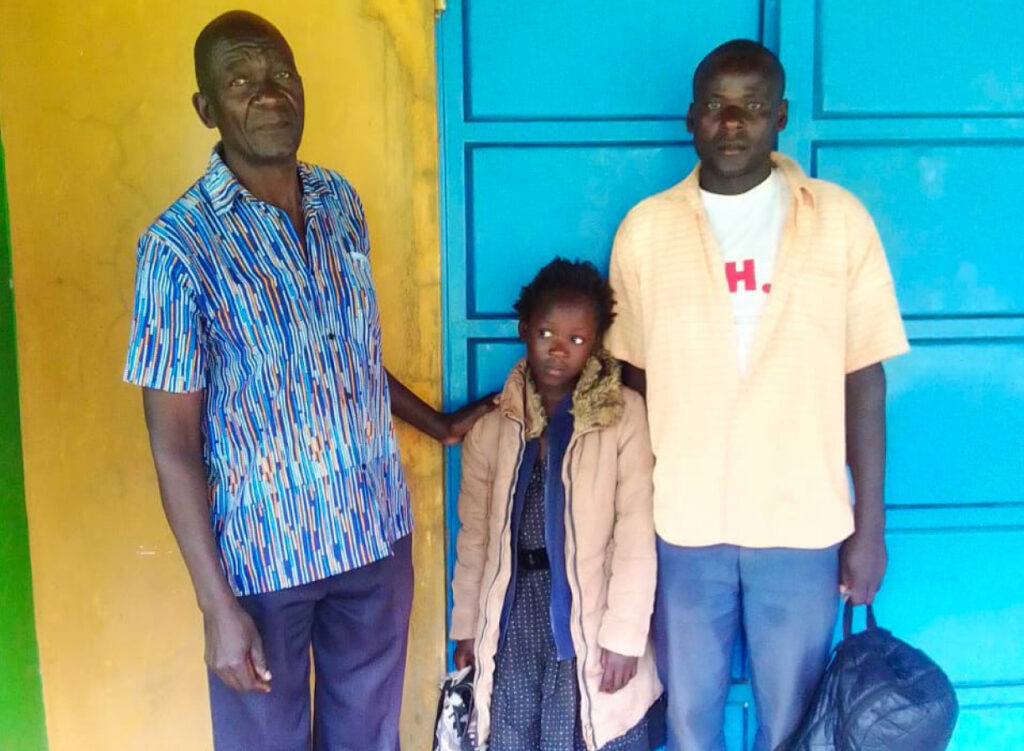
For children living in hostile environments, the program executes rescue missions in collaboration with government authorities, ensuring their safe placement. To date, ten children have been successfully rescued and reunited with their families, with one child placed in a secure home.
Volunteer Collaboration
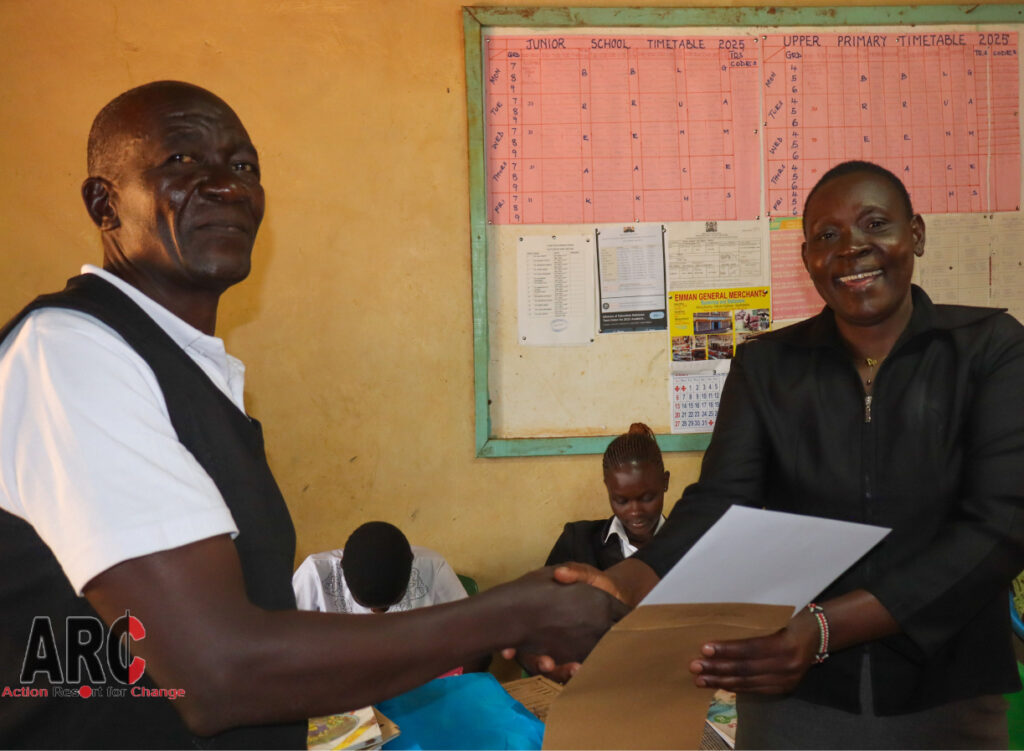
The program benefits from the voluntary services of 24 Trained Trainers of Trainers (T.O.T.s) who collaborate with the child protection department. These volunteers meet quarterly for reporting purposes and to share experiences, contributing valuable insights into the program’s operations.
Hand Washing Station
Poverty increases the vulnerability of village school girls to sexual abuse, often leading to early pregnancies, school dropouts, and early marriages — perpetuating the cycle of poverty.
To address this, ARC Child Protection initiated the production and distribution of reusable sanitary pads for vulnerable primary school girls. The first batch was submitted to the Department of Public Health for quality testing and approval, and authorization for mass production and distribution was granted on 18th July 2018.
Since then, many girls have benefited. The program has helped reduce vulnerability to exploitation, prevent STIs and early pregnancies, and decrease school dropout rates. As a result, more girls are staying in school, transitioning to higher levels of education, and learning with dignity.
Distribution Of Re-Usable Sanitary Pads
Abject poverty exposes many village school girls to sexual abuse, often resulting in early pregnancies, school dropouts, and early marriages — a cycle that continues generational poverty.
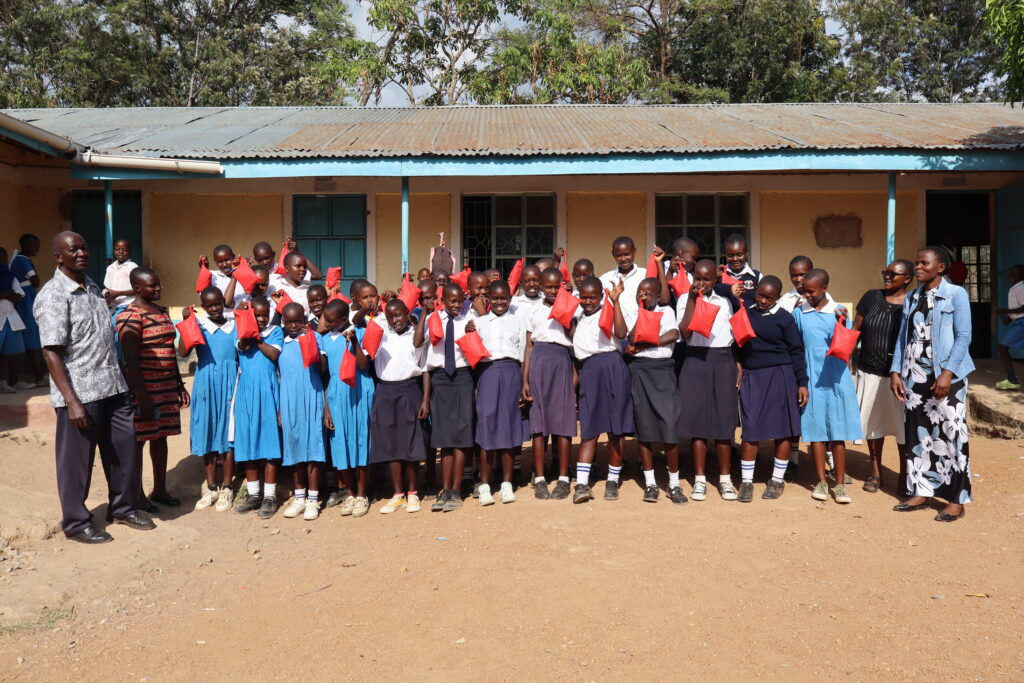
In response, ARC launched a reusable sanitary pad production and distribution program targeting vulnerable primary school girls. Before distribution, the first batch was submitted to the Department of Public Health for quality testing and approval. Authorization for mass production and distribution was granted on 18th July 2018.
Since then, many girls have benefited. The program has contributed to reducing vulnerability to sexual exploitation, preventing STIs and early pregnancies, and lowering school dropout rates. As a result, more girls are transitioning to higher levels of education and pursuing their studies with dignity.
Our Impact at
A Glance at the Years
(2020-2025)
Teacher Training
1135
Schools Training
6794 Pupils Taught in Child Safeguarding
Holiday Training
10,705
CBO / FBO
315
Community Training
1,912
Religious Leader's Training
94
Trainer of Trainer's
44
Staff Training
21
Caregiver's Training
63
Guidance and Counselling
288
Rescue Missions
68
Child Abuse Cases Handled
806
Re-usable Sanitary Towels Distribution
690
Get Involved
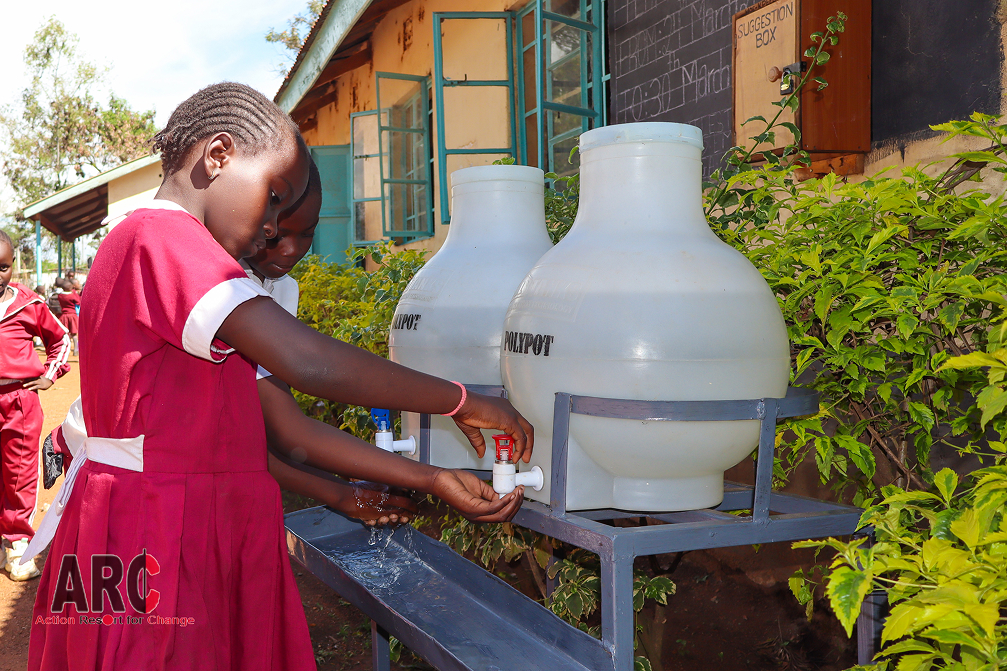
The program also provided double pot handwashing stations to the beneficiary schools, further enhancing hygiene levels among learners.
These initiatives are integral to the program’s commitment to safeguarding children and ensuring they grow in environments that are conducive to their health, safety, and overall development.
Join us in safeguarding children’s rights and wellbeing. Whether through volunteering, donating, or advocacy, your support helps create safe communities for every child.